
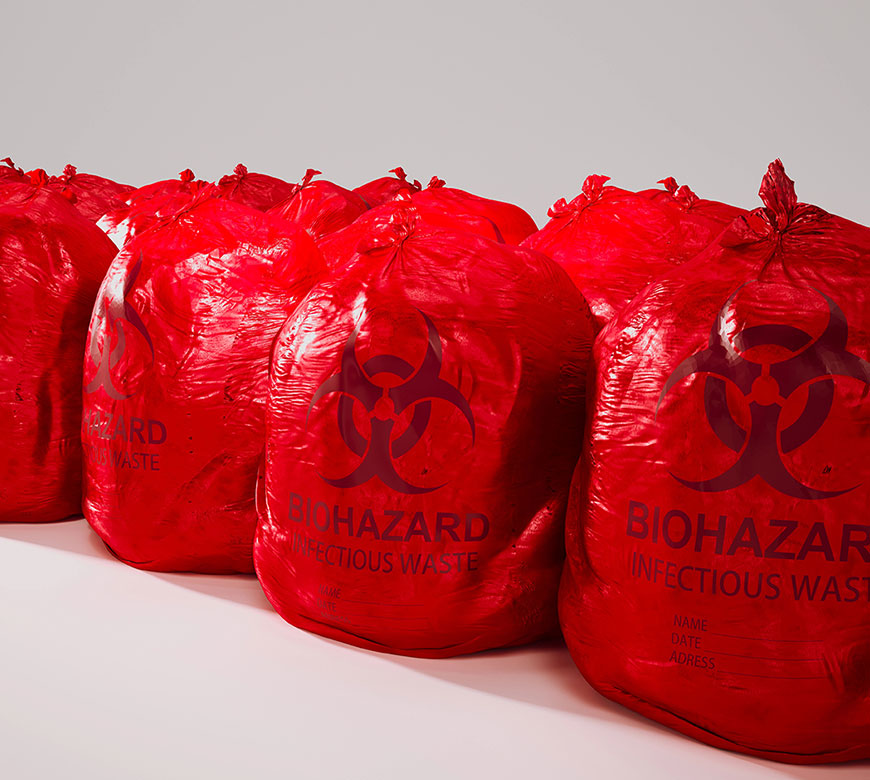
Medical waste disposal in Texas Medical Center requires careful handling of the many waste streams generated by hospitals, surgical facilities, laboratories, clinics, and other healthcare organizations. Medical waste, sharps, pharmaceutical waste, confidential records, and electronic data all require different collection and disposal procedures.
NUCORE Medical Waste Services provides medical waste collection, biohazard waste disposal, sharps disposal, pharmaceutical waste services, and secure document destruction in Houston and surrounding areas. For healthcare organizations in and around Texas Medical Center, having access to several specialized services through one local provider can make ongoing waste management easier to coordinate.
Medical and Biohazard Waste Disposal in Texas Medical Center
Healthcare facilities generate a wide range of materials during patient care, diagnostics, laboratory work, surgery, and other clinical activities. Some of these materials are regulated medical waste and require specific handling and disposal procedures.
Depending on the facility, medical waste may include blood-contaminated materials, certain bodily fluids, microbiological waste, pathological waste, sharps, and other regulated materials.
An effective medical waste collection program begins where the waste is generated. Staff need access to the proper containers and clear procedures for separating regulated medical waste from ordinary trash, pharmaceuticals, sharps, and confidential documents.
For organizations that generate medical waste regularly, scheduled medical waste pickup can help prevent containers from accumulating unnecessarily. NUCORE offers daily, weekly, monthly, and upon-request pickup options based on facility needs.
Proper biohazard waste disposal starts with correctly identifying the material being discarded. Healthcare facilities may generate infectious waste, clinical waste, and red bag medical waste, each of which should be handled according to the requirements that apply to that waste stream.
Red bags are commonly used for certain types of medical waste, but proper waste identification is still essential. Facilities should have procedures that make it clear what belongs in designated red bag medical waste containers and what should be handled separately.
Sharps Disposal and Pharmaceutical Waste
Needles, syringes, lancets, and other sharps require special handling because improper disposal can expose healthcare workers, waste personnel, patients, and others to puncture injuries.
Sharps generated by healthcare facilities are considered medical waste in Texas. Proper sharps container disposal starts at the point of use, with sharps placed into appropriate containers and stored for collection according to the facility’s procedures.
Regular sharps disposal and medical waste pickup can help facilities maintain a predictable schedule for removing filled containers. This is relevant to hospitals, physician offices, laboratories, surgery centers, specialty clinics, and many other healthcare settings.
Pharmaceutical waste also requires separate consideration. Expired, unused, partially used, or unwanted medications should not automatically be placed into the same containers as other medical waste.
Different types of pharmaceutical waste may be subject to different disposal requirements, so facilities need to identify what is being discarded before selecting the appropriate disposal method. NUCORE includes pharmaceutical waste among the specialized services it provides to healthcare organizations in the Houston area.
Secure Document Destruction for Healthcare Facilities
Healthcare waste management extends beyond physical medical waste. Patient records, billing documents, insurance information, employee files, printed test results, and other paperwork may contain sensitive information that requires secure destruction.
That makes secure document destruction an important part of a healthcare facility’s overall disposal program.
Paper records containing protected health information should be destroyed in a way that makes the information unreadable and prevents reconstruction. Professional medical shredding services can provide a controlled process for collecting and destroying these records.
NUCORE provides locked shred bins that can be placed at a healthcare facility and retrieved according to an established schedule. These services can be used for patient and clinical records, insurance documents, billing information, financial records, employee files, and other sensitive materials.
Medical Record and Medical Document Destruction
Even healthcare organizations that rely heavily on electronic systems still generate paper. Registration forms, billing documents, clinical notes, printed reports, administrative records, and other materials can accumulate over time.
A medical record destruction policy should address what happens to those documents once the appropriate retention period has passed and destruction is authorized.
Secure collection matters just as much as final shredding. Sensitive documents should remain protected while waiting for destruction rather than being placed into ordinary recycling or office trash.
Using locked collection containers and professional medical document shredding can help healthcare organizations maintain control over confidential information from collection through final destruction.
Hard Drive Destruction
Sensitive healthcare information is stored on more than paper. Computers, servers, external drives, and other electronic media may contain patient information, billing records, employee data, and other confidential information.
Deleting files does not necessarily make that information permanently inaccessible. When healthcare organizations retire old equipment or data-bearing media, they need a secure process for disposing of information that should no longer be retained.
NUCORE provides hard drive destruction as part of its secure information destruction services. For hospitals, medical offices, laboratories, surgery centers, and other healthcare facilities in Texas Medical Center, this service can complement medical document shredding and medical record destruction by addressing sensitive information stored electronically.
Medical Waste Disposal for Hospitals, Surgery Centers, Labs, and Other Facilities
Waste disposal needs can vary significantly by healthcare setting.
Hospitals may generate several waste streams across patient rooms, laboratories, pharmacies, operating areas, emergency departments, and administrative offices. Hospital medical waste disposal may therefore involve medical waste, sharps, pharmaceuticals, confidential records, and other materials at the same facility.
Surgery centers and ambulatory facilities may generate sharps, blood-contaminated materials, pharmaceutical waste, regulated medical waste, and confidential patient documents. An effective surgery center waste disposal program should account for these different waste categories rather than treating them as a single stream.
Laboratories may need medical laboratory waste disposal for sharps, specimen-related materials, biohazardous waste, and other specialized materials. Their pickup needs may also differ depending on testing volume and the services performed.
Nursing homes, assisted living communities, and senior care facilities may generate medical waste, sharps, medications, and confidential resident records depending on the care they provide. Their disposal programs should reflect the specific materials generated at each facility.
Why Texas Medical Center Has Distinct Waste Management Needs
Texas Medical Center is a major healthcare and life sciences district in South-central Houston, with a high concentration of hospitals, clinics, laboratories, medical offices, research organizations, surgical facilities, and other healthcare operations.
That concentration makes waste management especially important. A single facility may need to manage regulated medical waste, sharps, pharmaceutical waste, confidential documents, and electronic media at the same time.
For organizations in Texas Medical Center, the goal is not simply finding a place to dispose of “medical waste.” It is creating clear procedures for several separate waste and information streams.
Large institutions may require frequent collection, while smaller clinics, laboratories, specialty practices, and other healthcare facilities may need weekly, monthly, or on-request service. Flexible scheduling can help match pickup frequency to actual waste volume.
Frequently Asked Questions
What types of medical waste require specialized disposal? Medical waste can include certain blood and body-fluid waste, microbiological waste, pathological waste, sharps, and other regulated materials. Healthcare facilities should identify each waste type and use the disposal process that applies to it.
Are sharps considered medical waste in Texas? Yes. Sharps generated by healthcare facilities are considered medical waste and require proper collection, storage, and disposal.
Can medical records be placed in regular trash? Sensitive medical records should be destroyed so protected information cannot be read or reconstructed. Secure shredding is one commonly used method for paper records.
How often can NUCORE provide medical waste pickup? NUCORE offers daily, weekly, monthly, and upon-request service options depending on a facility’s needs.
Medical Waste and Secure Document Destruction Services in Texas Medical Center
Healthcare facilities in Texas Medical Center may need to manage multiple disposal streams, including medical waste, biohazard waste, sharps, pharmaceuticals, paper records, and electronic media.
NUCORE Medical Waste Services provides medical waste disposal, biohazard waste disposal, sharps disposal, pharmaceutical waste services, secure document destruction, medical document shredding, and hard drive destruction for healthcare organizations in Houston and surrounding areas.
Contact NUCORE Medical Waste Services to request a free quote and discuss the collection and destruction services that fit your facility’s needs.