
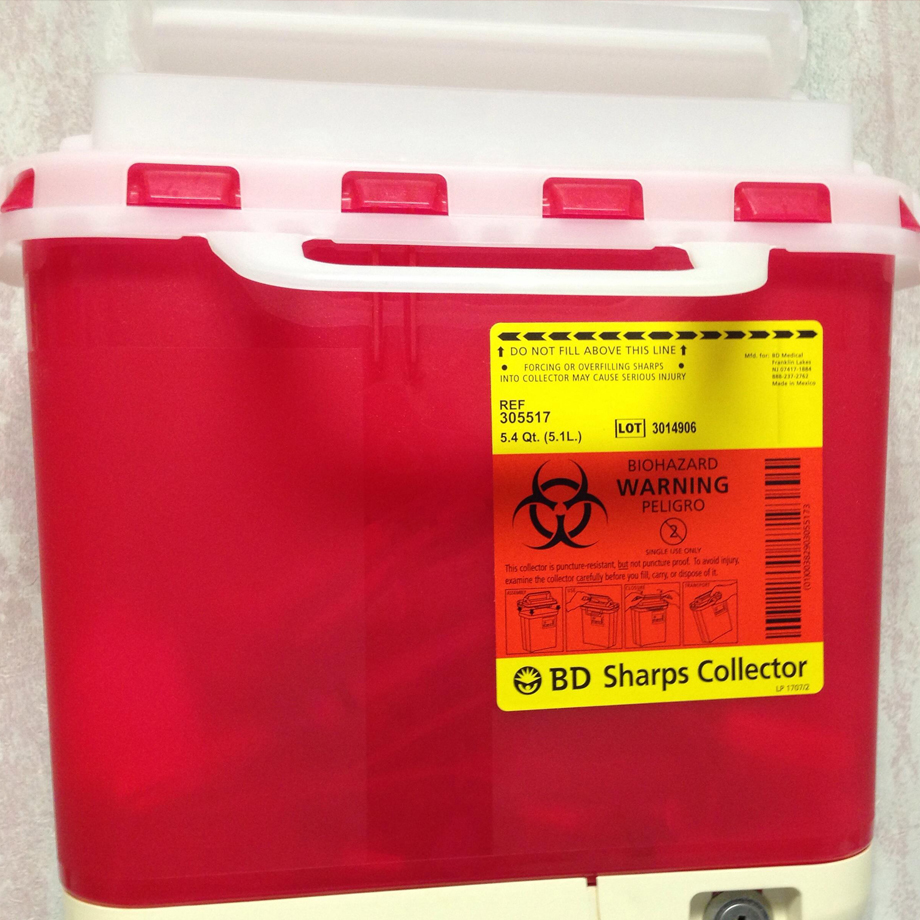
Why Proper Medical Biohazard Waste Disposal Is Critical for Healthcare Safety
Healthcare facilities generate materials that may contain infectious agents, blood, or contaminated items. Because of these risks, medical biohazard waste disposal plays an important role in protecting staff, patients, and the surrounding community. Facilities in Harris County, TX, Houston, Sugar Land, TX, Webster, TX, Baytown, TX, Atascocita, TX, and surrounding areas rely on services from Nucore Medical Waste Services to manage regulated healthcare waste safely and in accordance with regulations. Proper medical biohazard waste disposal supports infection control, regulatory compliance, and environmental responsibility in healthcare settings.
Understanding Hazardous Medical Waste
Hazardous medical waste refers to materials that may carry pathogens or create health risks if not handled correctly. These materials can come from hospitals, clinics, laboratories, dental offices, and other medical facilities. According to industry practices, this type of waste must be carefully collected, transported, treated, and disposed of following local, state, and federal guidelines.
Examples of hazardous medical waste include:
- Contaminated bandages and gauze
- Blood-soaked materials
- Pathological waste
- Needles, lancets, and other sharps
- Laboratory cultures and infectious materials
Proper handling of these materials helps reduce exposure risks for healthcare workers and the public.
Supporting Infection Control in Healthcare Facilities
Infection control is a key concern for healthcare providers. Improperly managed biohazard waste can expose staff and patients to bacteria, viruses, or other pathogens. Safe waste management helps prevent accidental contact with contaminated materials.
Healthcare facilities can support infection control by:
- Separating biohazard waste from regular trash
- Using clearly labeled biohazard containers
- Following approved handling and transport procedures
- Working with trained medical waste disposal professionals
These practices reduce the chance of contamination and create a safer environment inside healthcare facilities.
Importance of OSHA Compliance
Healthcare facilities must follow regulatory requirements related to hazardous medical waste and workplace safety. Regulations such as OSHA compliance guidelines help ensure that waste is handled and transported correctly.
Compliance measures typically include:
- Staff training for safe waste handling
- Use of approved containers and labeling
- Documentation and tracking of waste disposal
- Safe transportation and treatment procedures
Following these regulations helps healthcare organizations maintain a safer workplace and avoid compliance issues.
Professional Waste Management Services
Professional waste management providers assist healthcare facilities with the collection, transportation, and treatment of regulated medical waste. Services may include:
- Medical waste pickup and disposal
- Biohazard waste disposal
- Sharps container disposal
- Pharmaceutical waste disposal
- OSHA training for healthcare staff
These services help facilities maintain organized waste management systems and follow regulatory standards.
Conclusion
Proper biohazard waste management supports infection control, protects healthcare workers, and helps facilities maintain compliance with safety regulations. When hazardous medical waste is handled responsibly, healthcare providers can focus on delivering care while maintaining a safer environment for staff and patients.
If you need assistance, we’re just a phone call away.